
Part 1: Introduction
In a city where space is precious and life moves quickly, it is no surprise that more homeowners in Singapore are turning to Japandi interior design. This elegant and grounded style offers a way of living that prioritises calm, order, and functionality—a welcome escape from the hustle and bustle. With so much of modern life filled with visual and mental clutter, the appeal of minimalist home design lies in its ability to create spaces that feel open, restful, and purposeful.
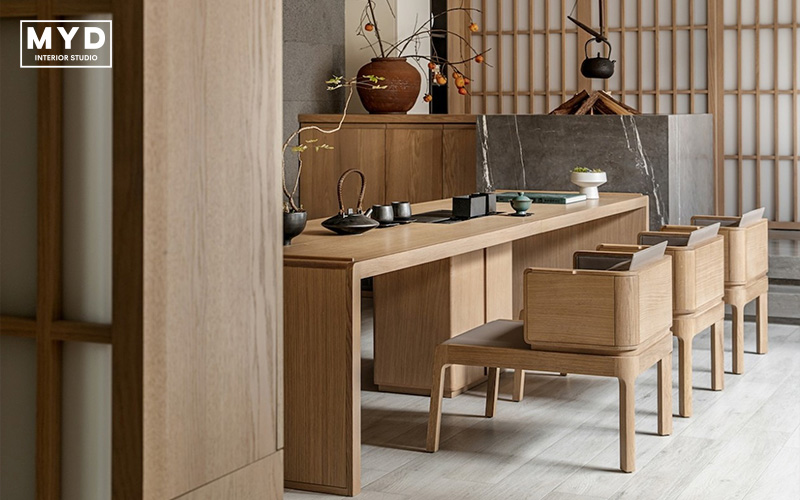
Japandi interior design is rooted in two well-loved design philosophies: Japanese minimalism and Scandinavian functionality. It draws from Japan’s appreciation for nature, simplicity, and craftsmanship, while borrowing from Scandinavia’s focus on cosiness, clean lines, and liveable spaces. Together, these influences create a cohesive aesthetic that balances beauty with practicality. Japandi interior design is often characterised by muted tones, organic textures, and carefully curated pieces that serve a purpose without overwhelming the space.
For homeowners in Singapore, where compact layouts are commonplace, Japandi’s emphasis on spatial efficiency and intentional design makes it especially relevant and appealing. Whether you live in a condo or landed home, this style can help transform everyday spaces into serene, welcoming sanctuaries. In this guide, we will explore how you can achieve this harmonious blend in your own home with the help of an interior design consultant.
Key Takeaways
- Japandi interior design is a combination of Japanese and Scandinavian styles, offering a minimalist home design that is warm, functional, and ideal for compact homes.
- It uses natural interior materials, muted tones, and space-saving furniture to promote calm and balance.
- With the right approach, Japandi design can suit all property types, from HDB flats to landed properties.
Part 2: What Is Japandi? The Fusion of Two Design Cultures

Japandi interior design is a fusion of two design cultures that, while geographically distant, are philosophically similar. Japanese interiors embrace wabi-sabi, the appreciation of imperfection, simplicity, and transience. On the other hand, Scandinavian design celebrates hygge, the experience of comfort, contentment, and well-being found in everyday living. Together, they form a design style that is deeply tranquil, grounded, and human. This balance of aesthetics and practicality makes Japandi interior design ideal for urban homes in Singapore, where space is at a premium.
2.1. Core Elements of Japandi Style
-
Muted, Earthy Colour Palettes
A key characteristic of Japandi interior design is its calming colour scheme. Think taupe, ash grey, off-white, and warm beige—all gentle tones that evoke calmness. These warm neutral tones are often paired with deeper accents like sage green or charcoal to add contrast without disrupting the tranquillity. The goal is to create a soothing visual flow that slows down the fast pace of city living.
-
Natural Materials
Japandi interior design places a strong emphasis on natural materials, which are essential for grounding the space. Wood, rattan, bamboo, stone, and linen are frequently used not just for their durability but for the texture and warmth they bring. These foundational natural interior materials create a subtle connection to nature, which helps turn a home into a restful retreat from the outside world.
-
Clean, Low-Profile Furniture
Furniture in a Japandi home is simple, functional, and low to the ground. The design leans towards a minimalist home design with clean lines, soft curves, and muted finishes. These low-slung furniture pieces create a feeling of openness and lightness, avoiding any sense of crowding in smaller living spaces.
-
Minimal but Meaningful Décor
Clutter is actively avoided. Instead, décor is whittled down to only what adds value or beauty to the room. This could be a handmade ceramic vase, a single bonsai, or a sculptural lamp. Every item has a purpose, and the focus is on craftsmanship, not quantity.
-
Comfort Through Intentional Warmth
Despite its pared-back look, Japandi does not feel cold. Comfort is created through soft textiles, ambient lighting, and cosy nooks that invite you to slow down. This emotional warmth supports the balance between visual simplicity and livability.
2.2. Why Japandi Works for Homes in Singapore
Japandi interior design suits Singapore perfectly. Rooted in simplicity and warmth, it works seamlessly in both compact flats and larger landed properties. Its use of breathable natural materials, such as cotton, linen, and light-coloured wood, makes it ideal for our humid climate, offering both comfort and aesthetic calmness.
Perfect for compact spaces
Japandi is especially practical for interior design for HDB flats and condo renovation. The style places strong emphasis on openness, clean lines, and space-saving furniture that helps maximise floor area without making the space feel cramped. Low-profile furniture creates a sense of airiness, while neutral colours help reflect light, making small rooms appear brighter and more open.
Encourages decluttering
One of the most appealing aspects of Japandi interior design is its focus on intentional living. Built-in storage is commonly used to reduce mess, and surfaces are kept clear through mindful curation of décor. By adopting this approach, homeowners can manage visual overload, especially in multi-use spaces like living-dining areas or open-plan kitchens.
Tropical climate-friendly
Singapore’s warm weather calls for interiors that feel cool and breathable. Japandi achieves this by using light-coloured woods, soft cottons, and linens, which not only look inviting but also feel fresh to the touch. The emphasis on natural airflow and unblocked light suits Singapore homes well, reducing the need for heavy furnishings or dark, heat-retaining colours.
Adaptable to all home types
Whether you are exploring HDB BTO renovation packages or considering landed home interior design, Japandi is a flexible style that can be adopted by homes of all sizes. Its neutral foundation means it can be customised with personal touches whilst still maintaining a zen, grounded feel. This adaptability makes it an excellent choice for homeowners across Singapore.
Part 3: Bringing Japandi to Life in Your Singapore Home

3.1. Room-by-Room Guide to Japandi Interiors
Each room in your home can express the calm and thoughtful beauty of Japandi interior design. Rooted in simplicity and purpose, this style supports a functional home layout whilst preserving its signature sense of warmth and tranquility throughout.
Living Room
For starters, you could consider a low-profile sofa in a soft neutral tone, supported by wooden or matte black legs. A raw wood coffee table also works wonderfully in adding texture, while rattan or paper lamps can bring about natural warmth. To keep things practical, use sideboards with concealed storage to hide everyday items and reduce clutter. Avoid overcrowding—instead, leave ample walking space to support a comfortable, minimalist home design.
Bedroom
Choose a platform bed with clean lines, paired with warm-toned wardrobes. Opt for breathable, organic cotton or linen bedding in muted colours like sage, taupe, or soft grey. Complete the setup with gentle bedside lighting, a woven rug, and a few personal items styled with intent. This is a great way to create a calm and restful space, as your bedroom should be.
Kitchen and Dining
Keep things clean with handleless light wood cabinets, quartz countertops, and minimalistic hardware. A dining table with tapered wooden legs, paired with matching chairs, could enhance the sense of cohesion. Maintain a clutter-free look by curating open shelving and keeping dinnerware neutral.
Bathroom
Blend wood, stone, and brushed metal finishes to create warmth and balance. Stick to warm neutrals like sand or beige. Frameless glass panels, built-in storage, and soft ambient lighting help strike a balance between functionality and flow.
Study or Workspace
A simple desk with clean lines, an ergonomic chair, and plenty of natural light set the tone for a workspace that promotes productivity whilst keeping the area warm and inviting. Keep it organised by concealing wires, organising documents and stationery with drawer storage, and adding personalised touches like a small plant or minimal art piece. These touches and elements reflect the principles of Japandi interior design—calm, clarity, and purpose.
3.2. Practical Tips for Designing and Renovating a Japandi Home
When planning a renovation in Singapore, embracing the principles of Japandi interior design can help you put together an inviting abode that is also well-suited to our tropical climate.
Choose Climate-Friendly Materials
Singapore’s humidity is a key factor when selecting your materials. Prioritise natural elements like rattan, bamboo, and solid rubberwood, all of which bring warmth and texture whilst holding up well in moisture-prone conditions. For textiles, go with breathable fabrics such as cotton, linen, or tencel. These materials complement a minimalist home design aesthetic and keep your space feeling cool all year round.
Focus on High-Impact Zones
If you are working with a limited renovation budget, focus on areas that offer the most visual and practical impact: flooring, storage, and lighting. Durable flooring in natural finishes, built-in storage that blends into the walls, and soft, layered lighting all contribute to the peaceful, understated feel that defines Japandi interior design.
Blend Smart Tech with Japandi Aesthetics
Technology can coexist with minimalist interiors if they are designed strategically. Choose smart home features with discreet elements such as hidden wiring, flush-mounted controls, and compact devices. This allows your home to stay connected without compromising the clean look of your interiors.
Use Built-Ins to Reduce Clutter
Clever custom carpentry is essential for creating a functional home layout, especially in compact homes like HDB flats and condos. Think full-height wardrobes, integrated TV consoles, and hidden shelves—all of which help maintain the simplicity and spaciousness of Japandi interior design.
By focusing on climate-appropriate materials and thoughtful upgrades, you can bring out the best of Japandi interior design in any Singapore home.
FAQs
1. Can Japandi design work in a small condo or HDB flat?
Yes, Japandi interior design is an excellent fit for small condos and HDB flats in Singapore. Its emphasis on clean lines, neutral colours, and multi-functional furniture makes even compact spaces feel open and uncluttered. It also pairs nicely with built-in storage and low-profile furniture that help maximise floor space whilst maintaining a calm, minimalist look.
Because Japandi focuses on intentional living, it naturally encourages homeowners to simplify and curate their belongings. This makes it easier to maintain a neat and welcoming environment, even in smaller homes. With the right layout and materials, you can enjoy both beauty and practicality in a limited footprint, making Japandi ideal even in interior design for HDB flats.
2. Is Japandi too minimalist for a family home?
Japandi interior design may seem minimalist at first glance, but it works well for family homes. Its focus on functionality, warmth, and simplicity makes it ideal for busy households. Built-in storage helps manage clutter, while soft furnishings, natural textures, and warm lighting create a cosy, lived-in feel.
Rather than being bare or cold, Japandi prioritises comfort and calm. It encourages families to be intentional with their spaces, choosing quality over quantity and creating areas that support everyday life. With thoughtful planning, it can balance the needs of both adults and children in a welcoming and elegant way.
3. Is it more expensive to design a home in the Japandi style?
Designing a Japandi home does not have to be expensive. While it often involves investing in quality materials like natural wood and handcrafted pieces, the focus is on fewer, well-chosen items rather than filling a space with many objects. This approach can actually reduce long-term costs by minimising the need for frequent replacements. Moreover, some interior design firms offer all-inclusive options like HDB BTO renovation packages that could further lower the overall cost.
That said, some elements of Japandi interior design, such as custom carpentry or natural textiles, may require a higher upfront investment. Working with an experienced interior design consultant can help you prioritise where to spend wisely and achieve a beautiful, timeless look within your budget.
Japandi interior design is more than just another minimalist trend; it also promotes a lifestyle centred around intention, simplicity, and harmony with nature. This design philosophy encourages homeowners to give greater thought and care to their living spaces by focusing on what truly matters and getting rid of unnecessary clutter. Together with natural textures and warm, muted tones with clean lines, Japandi is the perfect remedy to Singapore’s fast-paced urban jungle.
Here at MYD Interior Studio, we understand the specific needs of Singapore homeowners looking to embrace Japandi interior design. Whether you wish to incorporate this into a HDB, landed property, or condo interior design, our experienced team will work closely with you to create interiors that reflect your lifestyle and personal taste. We combine creative vision with technical expertise to ensure every detail aligns with Japandi principles, from choosing the right natural materials to designing functional layouts that maximise space and light.
Our approach is customised, ensuring that your home is not only beautiful but also comfortable and efficient.
To learn more about how we can help bring the calm and warmth of Japandi design into your home, please contact us today.